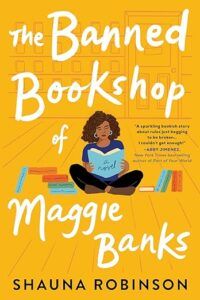
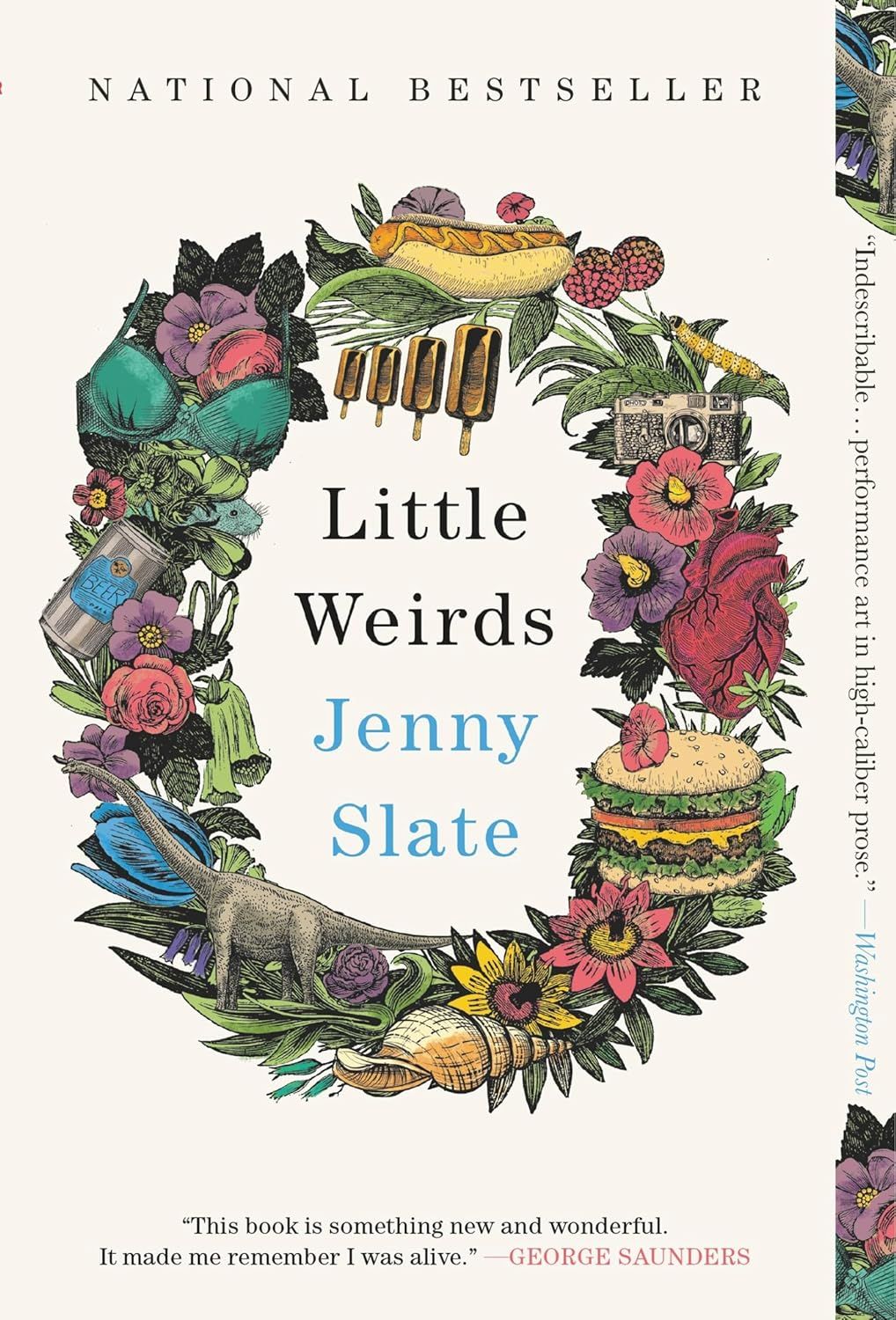
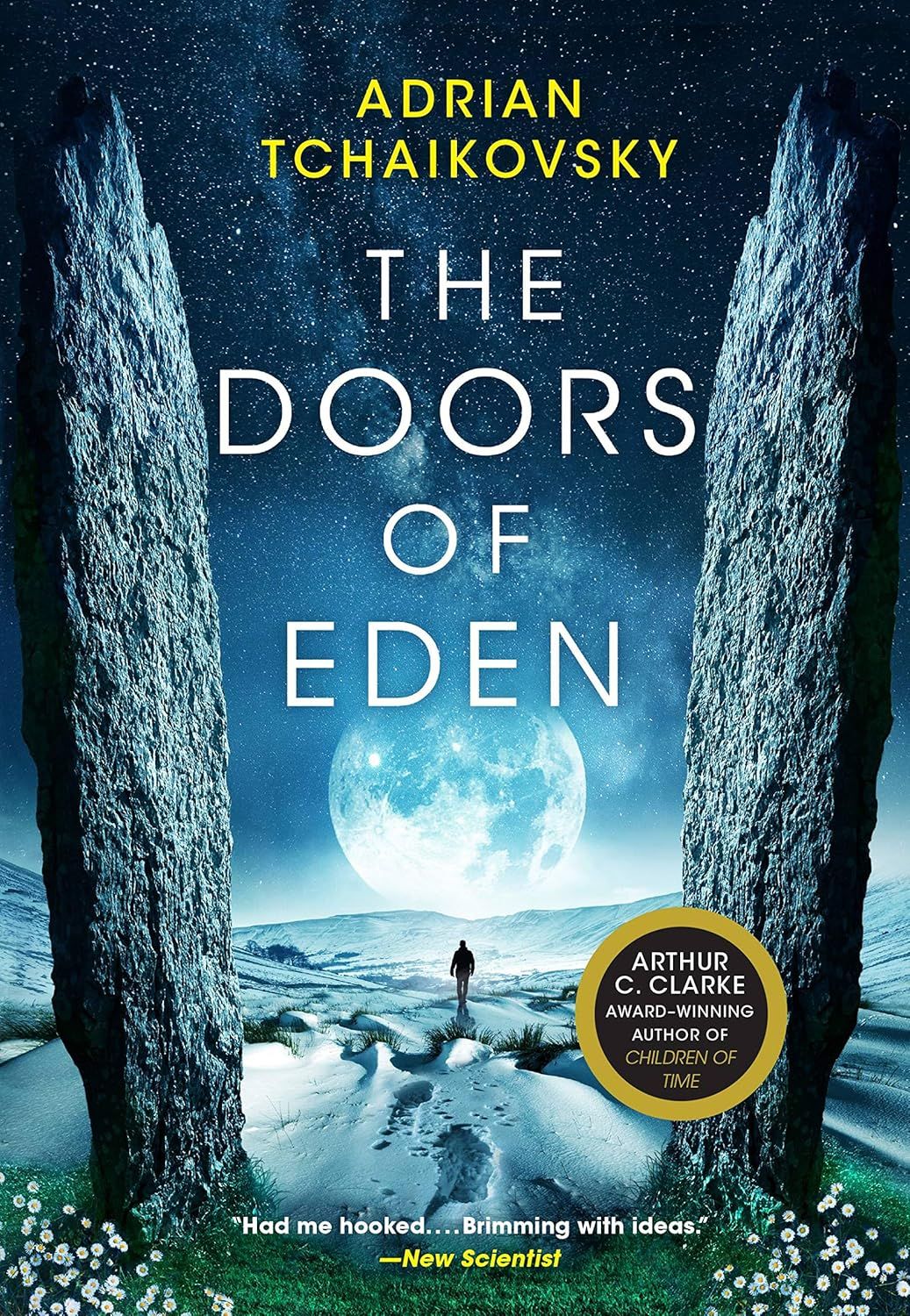
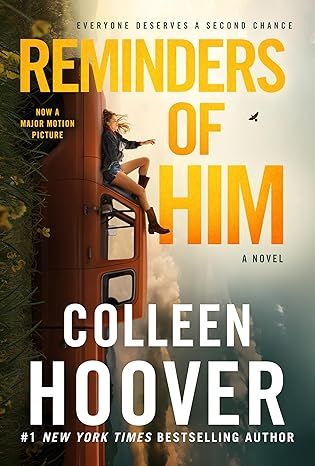
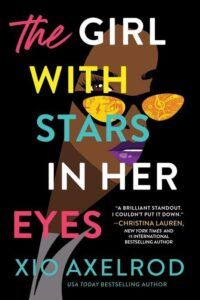
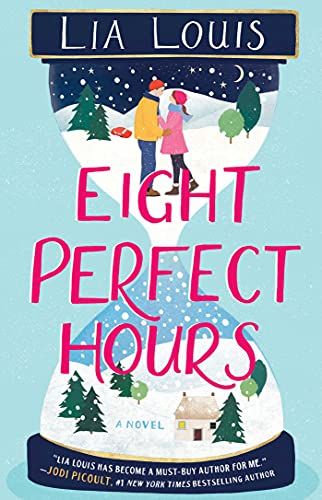
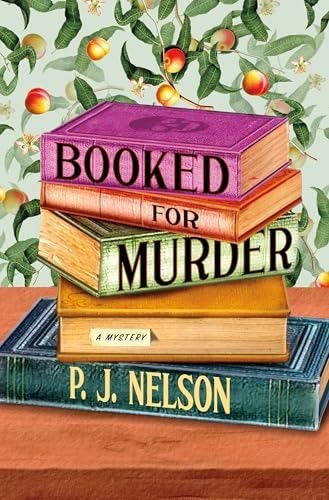
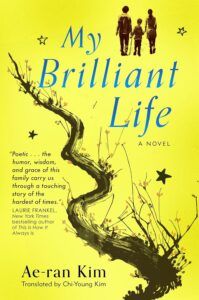
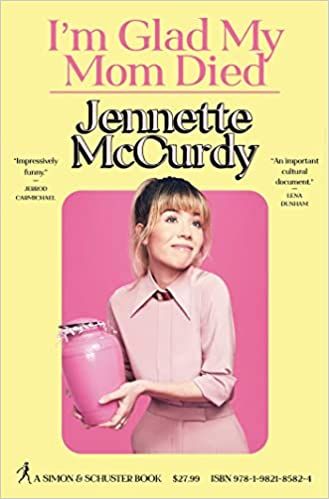
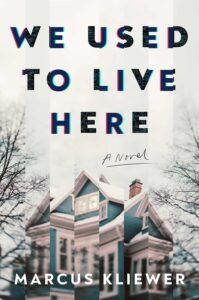
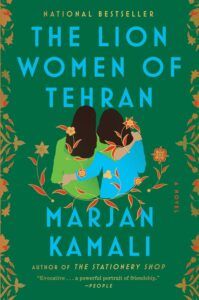
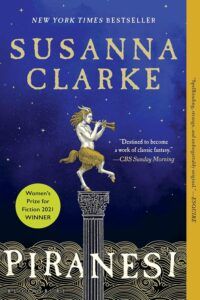
Obama’s now semi-annual drop of his favorite books of the year has become possibly the most anticipated list in the publishing world. I haven’t seen (or heard anecdotally) whether a mention moves a bunch of copies, but there is undoubtedly prestige in that cool-kid-at-school-gave-me-a-high-five kinda way. And do not mistake me: if I got that high-five, I would never wash my hand.
Here are his picks:
Double digit improvements over 2024 are nothing to sneeze at. That’s what publishing saw in September, with 14% more books being bought in the month this year than last. And October’s numbers are also strong, up more than 6%. Adult fiction led the way, growing more than 11%. The caveat here, if it is a caveat really, is how much of this is Amazon returning to more normal buying patterns? And does that mean more people are buying books or that Amazon will be returning a bunch of them later or what? Still, up is better than down.
I don’t much time for doomerism these days. Yes, there is much to resist, bemoan, and decry. But “sky is falling” discourse really only serves to paralyze (Chicken Little, even if were right, wasn’t exactly preparing for what happens if the sky did actually fall). But Ted Gioia isn’t Chicken Little, but he also not a fiddling grasshopper. So he does in fact have a collection of books about the ending and fall of things, which serve as warning and might, just might, contain wisdom about how to avoid the very worst outcomes.
Today on Book Riot:
Looking at 40 different top library book checkout lists from big and small public libraries across the USA, here are some of the most popular books of the year. What makes looking at public library book popularity fun is that it is year-agonistic, meaning that books published this year might sit alongside books published several years ago. Genre books tend to see more top books lists in libraries than in other outlets who compile or write about the year’s best or top books.
]]>“Public libraries serve as cornerstones of many communities,” the GAO reports. “But aging and outdated buildings can make it hard for libraries to meet increasing expectations to provide access to programming, technology, emergency services, and voting sites—in addition to books.”
The study offers the first comprehensive examination of the nation’s libraries. There are more than 17,000 public library locations in the United States, seeing over 800 million visits per year.
 |
Roughly 6,000 libraries in the U.S.–about 40%–reported that one of their building systems is in poor condition. Those systems may include heating, ventilation, or air conditioning. The GAO found that 61% of U.S. libraries have at least one building system or feature that poses a potential health or safety concern. Library workers noted that these concerns often arose due to the size and accessibility of the library– small libraries have to make the most of the space they have, which can result in obstructed walkways or overcrowding.
“Every community deserves a great public library,” said ALA President Sam Helmick, president of the American Library Association. “Unfortunately, in many parts of America today, the local public library building falls short of what the community needs.”
In addition, 7,000 libraries report that their building has some physical barrier preventing access for disabled people.
Maintenance costs are cited as the biggest hurdle to addressing these challenges, with 71% of libraries noting that labor and materials exceed the budgets available for repairs. That explains why 70% of public libraries, or 11,200, report a backlog of deferred maintenance and repairs. That number isn’t going to get better, either. Those libraries expect to defer these repairs for at least three years, and 39% of those libraries report that their backlogs exceed $100,000.
Because public libraries rely on local funding, securing the necessary funds to cover costs can be challenging. This is especially true in small and rural libraries, and it’s made more difficult in an era of funding cuts and ongoing attacks on public libraries more broadly. Public libraries are also unable to use funding from the Institute of Museum and Library Services to cover the cost of building construction or repairs.
“In times of emergency, entire communities, including federal first responders, lean on public library spaces for computers and a reliable internet connection, access to food, water, shelter, and even help accessing disaster relief funds. As community anchors, library buildings themselves need to withstand the emergencies that their communities face,” said Helmick. “Investments in library facilities should be proportionate to the central role they play in learning, connection, and opportunity for so many people.”
The GAO’s survey included 16,400 public libraries in all 50 states, as well as four territories, and the District of Columbia. The survey also involved on-site visits to 21 public libraries and two tribal libraries in seven different states.
]]>They would. In fact, they’d do it in the years following the end of World War II.
The target? Comics.
Last week kicked off the first in a trilogy of posts focused on comic book censorship in America. History professor and comic censorship scholar Brian Puaca talked about what made burning comics a seductive activity in post-World War II America. This week, he is back to offer a more optimistic read on comics censorship through that same period and on into our present day.
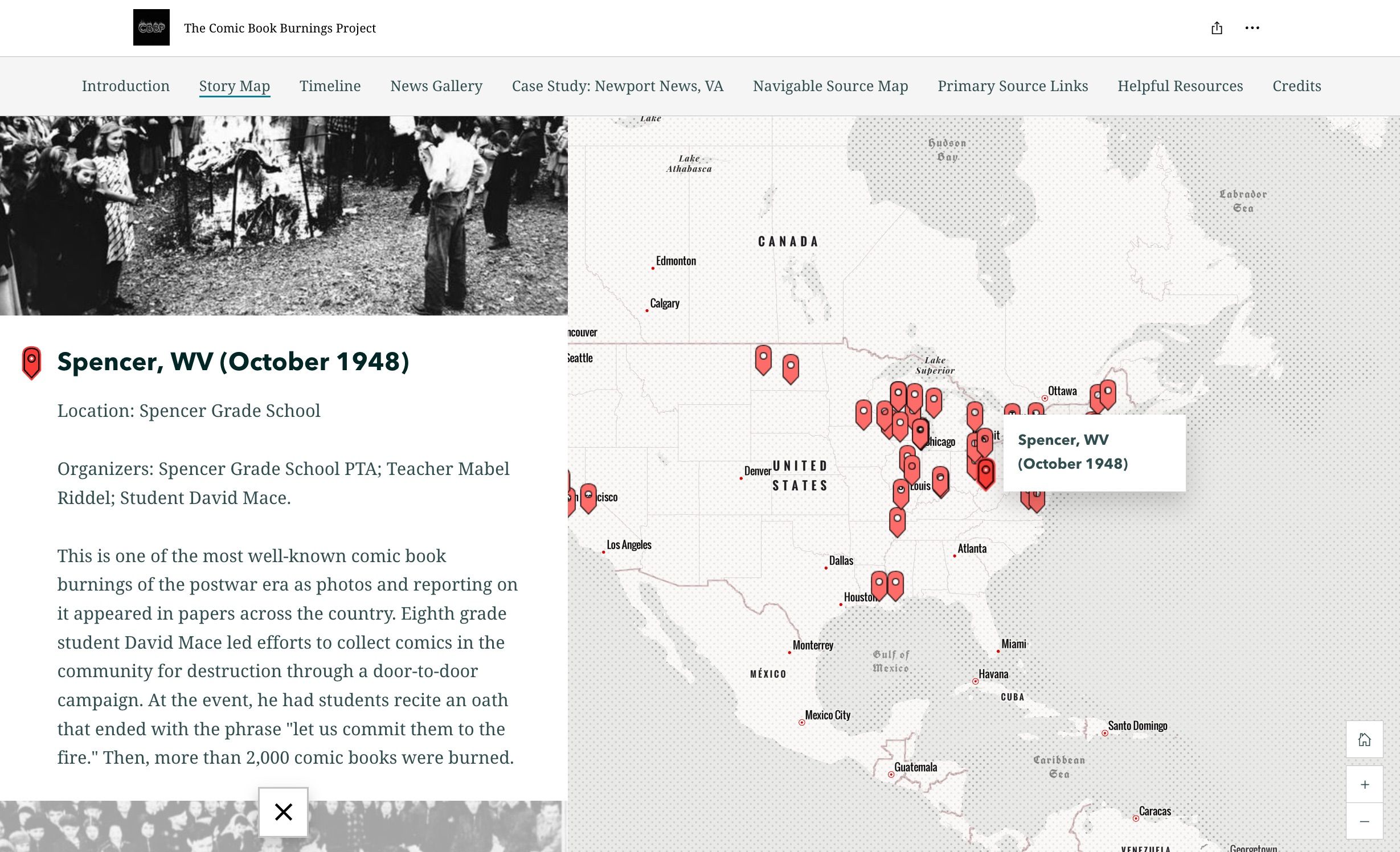
Brian Puaca, Professor of History at Christopher Newport University in Newport News, Virginia, reached out to me earlier this year and shared with me a project he’d been working on called the Comic Book Burnings Project. As the title suggests, it’s a look at how Americans found community through comics burnings in post-war America. It’s an incredible work of scholarship, including timelines, primary sources, maps, and images from this era of nationwide censorship.
***
 |
Searching for a Silver Lining: Comic Book Burnings and Censorship in Postwar America
As the year winds down and we look forward to the holidays, many of us return to annual rituals that mark our entry into a new year. One of those yearly traditions, which I approach with a mix of trepidation and resignation, is the release of the American Library Association’s Top 10 Most Challenged Books of the Year list.
Just about every year, two or three comics titles land in the top ten. Last year it was Maia Kobabe’s Gender Queer and Mike Curato’s Flamer. The controversy surrounding these graphic novels reflects larger social debates about LGBTQ+ identities and politics. Ten years ago, it was Craig Thompson’s Blankets and Alison Bechdel’s Fun Home, and these works were criticized for violence, nudity, and “graphic images.” If history is any guide – and as a historian, I have to believe that it is – we’ll see a few comics works on the forthcoming list for 2025. Notably, we’ll have to wait a little longer than January for the list, which is released as part of National Library Week in April.
Comics have long been the target of zealous censors. Just as it has been the case in recent years, so too have comics been linked to the broader social concerns and anxieties of Americans in decades past. Most notably, in the years after World War II, a generation of teachers, parents, intellectuals, politicians, clergy, civic leaders, medical professionals, and journalists linked comics to the social fears of the time: juvenile delinquency, “deviant sexuality,” and violence. To combat these dangerous ideas circulating in the hands of millions of young readers, they organized a variety of initiatives to censor content, ban sales, remove publications, and, in extreme cases, destroy objectionable works.
The most extreme actions to protect young readers from the dangers of comics were undoubtedly comic book burnings. Beginning in the same year that the United States defeated the most infamous book burners in modern history, more than 50 such events took place across the country. From California to Massachusetts, and from Michigan to Louisiana, this movement to destroy comic books enjoyed widespread support across American society. The anti-comics crusaders were: men and women; boys and girls; young and old; Black and white; urban and rural; devout and agnostic. For some it was a religious mission; for others it was sincere (if misguided) patriotism; for everyone involved it was a way to protect the country’s youngest citizens.
It is a dark, and relatively unknown, chapter of America’s postwar history.
The story of comic book burnings is unsurprisingly a tale of scapegoating, social panic, and Cold War insecurity. Yet at the same time, there were also displays of reason, restraint, and engaged citizenship. Part of the story of comic book burnings is the fact that some were canceled. In many cases, even at the height of McCarthyism in the 1950s, thoughtful and courageous Americans challenged the idea that physically destroying literature was a solution to any of the country’s problems. In the instances when burnings did take place, they were often contested. For example, many newspapers authored editorials that cast doubt on these spectacles. Even when they sympathized with the concerns raised by organizers, most media outlets that commented directly on comic book burnings typically criticized their means. And in some cases, organizations such as the ACLU and the American Book Publishers Council successfully challenged planned burnings as inconsistent with American values.
As a historian reflecting on a history comic book burnings from the vantage point of today, a few developments seem particularly striking. First, one cannot help but be astounded by the widespread embrace of the comics medium by libraries and educators in the past few decades. The fact that graphic novels regularly land on the Top 10 Most Challenged list is obviously upsetting, but it can also be viewed as a sign of how far comics have come in a relatively short time. The dramatic growth of comics and graphic novels in public and school libraries is indeed an extraordinary achievement. Second, comics continue to serve as a flashpoint for broader social fears in America – from violence, obscenity, and drug use to nudity, sexual promiscuity, and gender identity. Yet at the same time, comics no longer carry the connotation of juvenile literature. As has long been the case with film, there is now widespread recognition of the difference between the genre and the medium. This has played an important, if subtle, role in responses to critics demanding the removal of certain works. Third, releasing the Top 10 list as part of National Library Week highlights the perpetual threat of censorship. While we may no longer be burning comic books, we read regularly about those that would remove access to content they find objectionable for all other readers. The annual publication of this list keeps us informed and on guard.
That the Top 10 list is published as part of National Library Week is especially remarkable in that it illuminates dramatic changes in the professional field of Library Sciences. In November 1954, an elementary school in Newport News, just three miles from my campus, organized an anti-comics crusade led by students, teachers, and the PTA. These groups collaborated to collect objectionable comics, encouraged local businesses to display posters supporting the campaign, and held a pageant featuring characters from “good books.” The week of festivities culminated in a comic book burning outside the school at which a student government officer and the Assistant Fire Chief ignited the blaze. Most distressing of all, these events took place as part of the school’s celebration of National Children’s Book Week.
And so, librarians, who once helped organize the burning of comics in many schools across the nation, now find themselves on the front lines working to ensure that they remain in their collections. There’s certainly a silver lining in that.
As the year winds down, expect these roundups to be a little shorter than usual. That’s not a reflection of a slowdown in extremism when it comes to book censorship or library attacks. It’s a reflection of the holidays and school breaks in the U.S.
Don’t miss the news we covered here at Book Riot this week, including the censorship of “gender ideology” at York Public Library (SC) and a collaborative piece on the trends in book censorship in 2025.
]]>Looking at 40 different top library book checkout lists from big and small public libraries across the USA, here are some of the most popular books of the year. What makes looking at public library book popularity fun is that it is year-agonistic, meaning that books published this year might sit alongside books published several years ago. Genre books tend to see more top books lists in libraries than in other outlets who compile or write about the year’s best or top books.
Of particular note this year, books published in 2024 that earned some kind of accolade, that were part of a major celebrity book club, or that had adaptation news arise landed among the most popular nationwide. This isn’t surprising–and we can likely thank ebook access for helping circulate more of these in-demand titles to patrons. When a book is popular, though ebooks are much more costly for libraries than print copies, additional ebook purchases can often be done quicker than print. We’ll see this when we look at next year’s roundup of most popular books, too, as one of the largest distributors of print materials to public libraries went under this fall.
Other interesting trends this year include seeing genre fiction among the most popular titles. They’re a library staple that can too often be overlooked in “best of” lists from non-library outlets. Authors who have immense and long-time followings saw their titles on these lists, such as David Baldacci and Louise Penny. This year, we also saw popular BookTok authors also rise through the ranks, such as Rebecca Yarros and Freida McFadden. Meanwhile, only one library had a Sarah J. Maas title among its most circulated, a change from the last few years.
White authors tend to dominate in these lists, but the lists across the 40 libraries surveyed are more varied than just what’s at the top. This is, of course, a reflection of how publishing is still a predominantly white industry, and the books that tend to get bigger publicity and marketing around them are by white authors. It’s also worth addressing here that some of the biggest genre writers are long-time writers, so hitting the top of the most-circulated list as a newer genre writer can be tough. Again: that doesn’t mean they aren’t here or don’t circulate in libraries. It means they’re not at the tippy top.
The good news is that when an author of color sees their book receive publicity and accolades, that attention is reflected in the library. One of this year’s biggest circulating titles? It’s James by Percival Everett. While it did not make the cut off for the most borrowed title of the year, James McBride’s The Heaven and Earth Grocery Store landed on several most circulated lists this year, too.
Another element to consider in looking at these lists is the role that the digital platforms for library ebooks play themselves. Some collections will simply have more copies of particular titles than others, allowing for more checkouts of said titles; hoopla, for example, allows many library users to borrow titles simultaneously, so when something is popular, more people have access at once than they do through a service like Libby (this is part of why hoopla has become unsustainable financially for libraries, particularly over the last year). Likewise, whatever books are being promoted on those digital platforms via book lists or readalike lists–aka, what to read if you liked a particular title or movie–can impact what people borrow. It was interesting looking through hundreds of the most popular titles and seeing some surprises bubble up on the “top ebook” checkout lists. As you’ll see below, though, the top checkouts in print and ebooks have been collapsed into single lists.
Whether a major metropolitan library, a midsize suburban library, or a teeny rural library, here’s what Americans were picking up across the country in 2025, based on 40 different public library lists.
This list includes combined ebooks and print books. Some libraries create separate lists of top checkouts in each, but even in those separate lists, there’s a lot of crossover (The Women by Kristin Hannah was on both for the same library, for example). It makes sense to collapse them into a broader “fiction” category. Only a couple of libraries had separate “genre” lists in their wrap ups; those titles were not included. This reflects only the top lists which mixed fiction genres. The below is only for adult fiction and does not include the YA book which appeared on numerous lists as among the most circulating: Sunrise on the Reaping by Suzanne Collins, which was on four lists.
The same caveat for fiction applies to nonfiction. The list includes both the print and ebook top lists. You’ll notice that there are far fewer titles which rose to the top of the most circulated in public libraries. Fiction dominated this year.
Just for fun, which authors saw the most representation of unique book titles on these 40 lists? Here’s who was hot in libraries, based on having the most number of different books appear:
The most popular books in US public libraries lists this year came from Allen County Public Library, Arlington Public Library, Avon Free Public Library, Boerne Library, Boston Public Library, Cincinnati Public Library, Cranbrook Public Library, Denver Public Library, Des Moines Public Library, Gail Borden Public Library, Harvard Public Library, Hennepin County Public Library, Kansas City Public Library, Kern County Library, King County Library, Las Vegas-Clark County Library, Lawrence Public Library, Lois Wagner Memorial Library, Marathon County Library, Marin County Free Library, Milton Public Library, Morris Area Public Library, New Berlin Public Library, New York City (all boroughs), Palm Beach County Library System, Rock Island Public Library, San Francisco Public Library, San Luis Obiso Public Library, Scappoose Public Library, Seattle Public Library, Silvis Public Library, Sno-Isle Libraries, Stillwater Public Library, Suffolk County Library, Taylor County Public Library, Timberland Regional Library, Tulsa City-County Library, Verona Library, Washington County Library, West Plains Public Library, White Oak Library, and Worcester Public Library.
]]>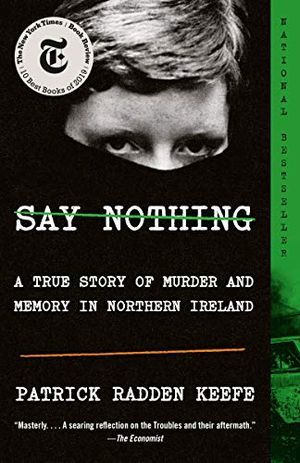 Say Nothing: A True Story of Murder and Memory in Northern Ireland by Patrick Radden KeefeA few years ago, I finally read Patrick Radden Keefe’s incredible narrative nonfiction book Say Nothing, which follows The Troubles in Belfast, Northern Ireland. He begins his story with the disappearance of Jean McConville, a widowed mother of ten. From there, he jumps around to many of the characters involved in different aspects of the I.R.A., detailing how key events in Northern Ireland’s history impact these characters’ lives. I hadn’t even finished it when I started recommending it. It’s truly as good as everyone says it is. |
All access members continue below for more of the best nonfiction books to gift.
This content is for members only. Visit the site and log in/register to read.]]>Unfortunately, the most read books on Goodreads tend not to be diverse by any definition of the word. So, here are a couple of new books out this month that deserve wider readership.
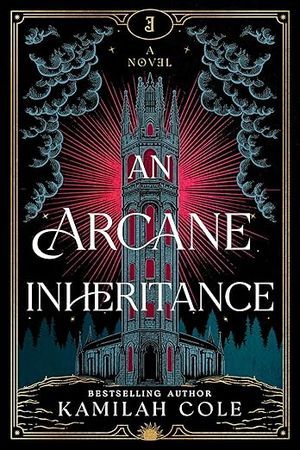 An Arcane Inheritance by Kamilah ColeFor dark academia fans, this is an exciting novel about an elite university hiding terrible secrets. Ellory Morgan has worked hard to attend Warren University, but once there, she hears rumors about the occult and the use of forbidden magic, and that its success has come at the cost of its BIPOC students. —Liberty Hardy |
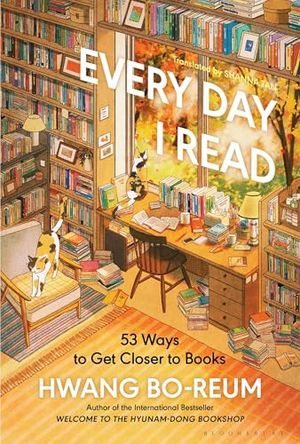 Every Day I Read: 53 Ways to Get Closer to Books by Hwang Bo-reum, translated by Shanna TanEvery Day I Read is a booklover’s dream. Hwang Bo-reum delves into the big ideas around a life centered around reading. What makes us choose a bestseller or read by whim? What inspired us to read outside of our favorite genres? Every Day I Read is a love letter to books and encourages readers to follow along and answer these questions for themselves. —Kendra Winchester |
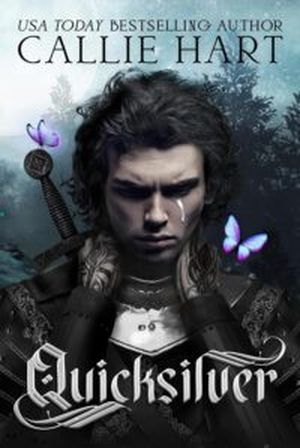 Quicksilver by Callie HartThis is the first book in the Fae & Alchemy series, and it’s about Saeris, a 24-year-old woman who is transported to a different world and accidentally binds herself to a Fae warrior named Kingfisher. Book two, Brimstone, came out on November 18, which has given the series a boost in readership. Book three comes out in November 2026. It was read by 12,000 Goodreads users this week and has a 4.3 average rating. |
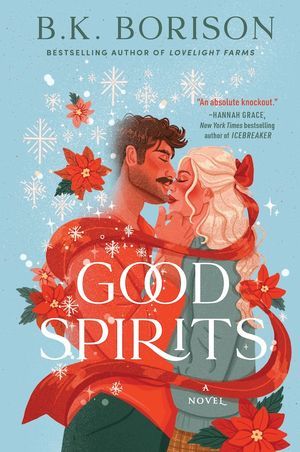 Good Spirits by B.K. BorisonEvery year in December, Christmas books—especially Christmas romances—take over the Goodreads Most Read list. This year, the most popular holiday title is Good Spirits, but you can find a dozen more Christmas reads on the top 50. This one follows Nolan, aka the Ghost of Christmas Past, as he takes on a new assignment, haunting Harriet. But people-pleasing Harriet is no Scrooge, so why is she being haunted? As Christmas Eve approaches, the two begin to fall for each other. It was read by 16,000 Goodreads users this week and has a 4.0 average rating. |
 Heated Rivalry by Rachel ReidThe incredible popularity of the Heated Rivalry TV show adaptation took everyone by surprise—including, apparently, the publishers, because this book has been difficult to get your hands on! Despite that, this rivals-to-lovers M/M hockey romance is one of the most read books this week. It was read by almost 18,000 Goodreads users this week and has a 4.3 average rating. |
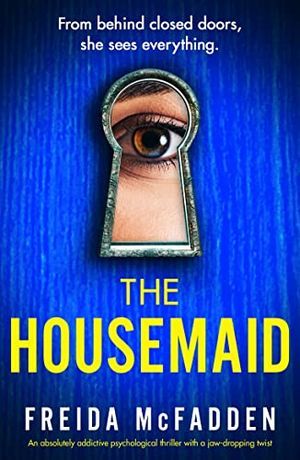 The Housemaid by Freida McFaddenThis is the first book in Freida McFadden’s Housemaid series, followed by The Housemaid’s Secret and The Housemaid Is Watching. It’s about a housemaid who cleans for a wealthy family, takes care of their child, and lives in their attic bedroom. She’s soon pulled into the family’s dangerous secrets, but her employers may have underestimated what she’s capable of. The movie adaptation is out now. This was read by almost 21,000 Goodreads users, with a 4.3 average rating. |
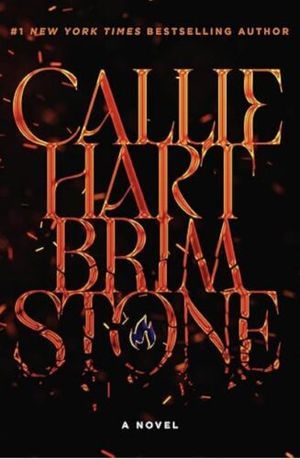 Brimstone by Callie HartA recent entry to the top five is Brimstone, book two in the Fae & Alchemy romantasy series. This sequel came out on November 18th, and it’s a whopping 672 pages. You could probably have guessed what the #1 most read book on Goodreads is based on this title taking the #5 spot. It was read by 24,000 users this week and has a 4.2 average rating. |
If you’re looking for more buzzy books, check out The Bestselling Books of the Week, According to All the Lists.
Keep up with all the latest book news by signing up for the Book Riot Newsletter.
]]>As it turns out, I later discovered that Christmas Eve has a history of the eerie and the creepy. The 2021 Book Riot article “Why We Used To Tell Ghost Stories On Christmas Eve (And Why We Should Restart The Tradition)” by K.W. Colyard explains the history of Christmas Eve and ghost stories:
When A Christmas Carol was first published in 1843, it was in line with two longstanding traditions — observance of the Christmas holiday itself, and the practice of staying up late to tell ghost stories on Christmas Eve — both of which had begun to fall out of favor by the mid-19th century. A Christmas Carol revitalized both.
From “Why We Used To Tell Ghost Stories On Christmas Eve (And Why We Should Restart The Tradition)” by K.W. Colyard
Colyard’s article does a great job explaining how Christmas Eve (with the contributions of the Celtic pagan holiday Samhain and the Germanic pagan holiday Yule) became a holiday of traditional, oral storytelling, particularly with ghost stories. Colyard also made the case to bring the tradition back. Here is where I come in.
If Christmas Eve—whether you’re Christian or not–strikes you as eerie, especially when the nights are at their longest, then I’ve put together a list of ghost stories that you might read to yourself or aloud with company. For those who do not celebrate Christmas Eve but still find the winter season to be unsettling in its cold darkness, then these ghost stories should still track. Additionally, I am doing my best to avoid all the usual suspects. We know A Christmas Carol is the peak Christmas Eve ghost story. We know Elizabeth Gaskell, Algernon Blackwood, etc. are great classic storytellers of the eerie and fantastic, but let’s think about the writers who are creeping us out today. The ghost story is constantly being paid tribute to and reinvented, as my list will prove. Some of my recommendations are not straightforward ghost stories but an amalgamation of the supernatural, from entities in folklore to cosmically haunted condiments.
In any case, snuggle up by the fire with something warm to drink. Ignore the howling of the winter winds and the creeping frost on the windows.
For now.
Don’t miss your chance to win a full year of Kindle Unlimited courtesy of Twisted Comics! Sign up to be notified when the Black Mirror Comics: San Junipero graphic novel launches on Kickstarter, and you’ll be automatically entered. You have until January 9, 2026.
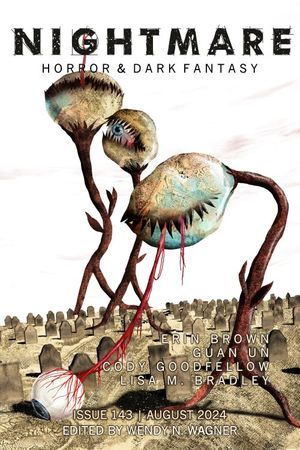
“Butter” by Erin Brown, published in Nightmare MagazineHoly shit, this story. I will never look at butter the same way again, let alone melted butter. Perhaps save this story for after the Christmas Eve feast, in case you might be put off from slathering butter on hot bread rolls. This story is about a substance that feels haunted, though the story verges on cosmic horror as well. The story follows Kayla as she endures nine years’ worth of horror from a substance in a black butter box she finds at seemingly random moments in her life. The first time is after she burns a cake she was making for her husband for his birthday. Touching the ghee-like substance catapults her to another realm, one of torture, pus-like hues, pain, and terror. As Kayla endures these horrors, she also learns and adapts. The ending is a transformation that will stay with you long after you read the last word. |
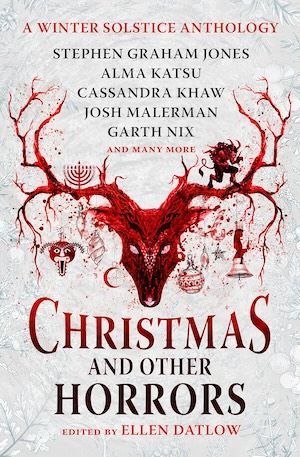 Christmas and Other Horrors edited by Ellen DatlowDo you want more than just one horror story to read on Christmas Eve? Are you, like me, a Libra and have a terrible time making decisions? Fear not (or fear more, in this case) because rather than a single story, I give you an entire anthology that revolves around Christmas and winter horrors. Ellen Datlow, the incomparable queen of horror editing, puts together a compendium of holiday horrors from titans in the genre. You’ll be sure to find a story that fits whatever horror tropes and vibes you’re into. |
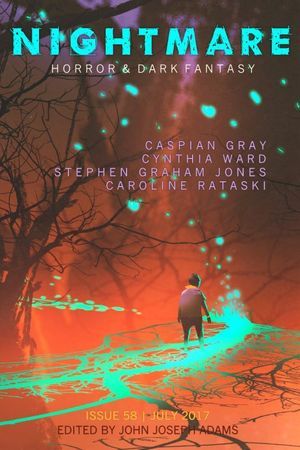
“Brushdogs” by Stephen Graham Jones, published in Nightmare MagazineI’m certain I’ve covered this story before, and there are parts of it that continue to haunt me. It’s also a story that fits the season, about a father and son winter hunting expedition gone horribly awry. As the two hunt in a snowy wood, Junior watches his son Denny through his rifle scope as he makes his way up a hill. Earlier, Junior and Denny spotted bear tracks during a time they ought to be hibernating, and a pile of rocks—a cairn—in the woods. Denny was momentarily lost, but when he came back to his father, something was different. Something is wrong, and that sense of dread permeates throughout the rest of the story. |
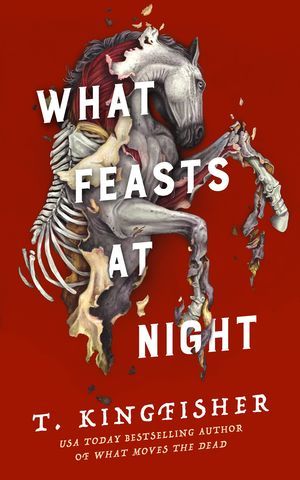 What Feasts at Night (Sworn Soldier #2) by T. KingfisherI’m including a novella that’s also a sequel, but hear me out, dear readers! You don’t necessarily have to read the first book in the series, though I highly recommend it. The second book literally gave me fever-dream nightmares with its angry entity, and for that, I simply must include it in this list. While the first book in the series (What Moves the Dead) is a retelling of Edgar Allan Poe’s “The Fall of the House of Usher,” What Feasts at Night is about a hungry, breath-stealing folk entity that haunts a village deep in the forest. |
“Rapunzel House” by K.C. Mead-Brewer, published in The RumpusK.C. Mead-Brewer is a master in portraying unease and eeriness in her stories, and “Rapunzel House” is the quintessential moving-into-a-new house and “Why don’t you just leave?” ghost story. “Rapunzel House” is both a fairy tale and modern ghost story about loss in our past and present, and the losses that continue to traumatize and haunt us. Mead-Brewer’s writing is as beautiful as it is creepy, with a story that is claustrophobic, melodic, and full of haunting memories and unsettling dialogue. Also. the artwork by Lisa Lee Herrick that pairs with the story is absolutely stunning. |
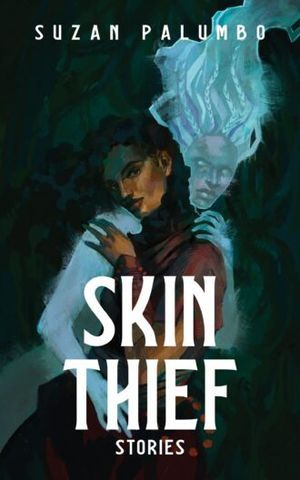
“Douen” by Suzan Palumbo from Skin Thief and originally published in The DarkWhile it is not set during Christmas, “Douen” is the perfect ghost story. Honestly, it’s one of the best ghost stories of the decade, and the accolades and awards this story has received back me up. “Douen” is a Trinidadian folk story told entirely in Trinidadian dialect, about a child ghost who wreaks havoc in her desperation to be seen and heard. A ghost story of vast emotion, “Douen” will stay with you long into the winter nights. |
Let’s bring back the tradition of telling ghost stories on Christmas Eve, and I hope the above list can help get you started as you settle by the fire. However, please keep in mind that ghost stories—and the horror genre in general—are for all seasons and not just for Halloween or long, winter nights. Fall and winter really nail the ghost story vibes, but as we know, ghosts linger everywhere and in all seasons. Even in the depths of summer, ghosts abound.
For those seeking to continue their ghost story journey, check out these recommendations:
]]>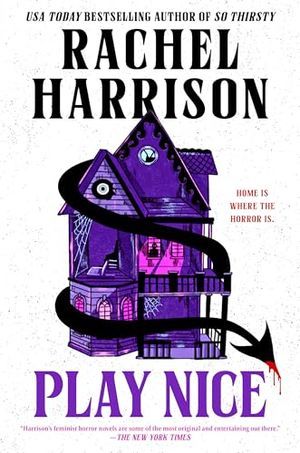 Play Nice by Rachel HarrisonMeet Clio Barnes. If you’ve seen her on social media, she leads the glossiest life with the sweetest brand deals an influencer could imagine. She’s got friends who are all about having fun, and she has no shortage of hook-ups. But none of these people know the truth about Clio. She grew up in a house that was possessed by a demon, a demon who seemed to have eyes especially for her. Why did the demon do what it did to her and her family when she was only a child? Was it desperation on its part? Or was it just bored? Clio hasn’t bothered to explore any of those questions, because she’s just trying to move on with her life as a stylist and an influencer, leaving the past in the past. Horror readers know the past can never stay in the past forever. Especially not when demons are involved. When Clio’s mother, Alex, dies a sudden and unexpected death, Clio goes back to her hometown to attend her mother’s funeral and tend to the family drama she tried so hard to leave behind. You see, Alex’s mother always claimed their house was haunted, but Clio’s sisters never believed it was true. And neither did her father. And neither did the courts when they awarded Clio’s father full custody and deemed Alex mentally unfit to be a guardian to her three children. Now Alex’s haunted home has been passed down to Clio and her sisters, along with something else that will change everything: Alex’s memoir, annotated especially for Clio. Clio’s family warns her not to read the book, but despite their warnings, Clio feels drawn to the words her mother wrote. She remembers her childhood one way, but the book paints a completely different story. One that makes Clio question everything she thought she knew about her mother, her father, herself, and the house where she grew up. Clio’s dynamics with her sisters, her father, and stepmother are a lot of what drives this story. What I found most interesting, though, is the way this book explores the nature of memory. Even those of us who didn’t grow up in haunted houses can relate to the weirdness of childhood memory. Some things feel like vivid memories, but are those really things that you remember yourself? Or are those “memories” just stories that you’ve always been told? As Clio slowly uncovers the truth about her mother and father and the haunted house that was partially responsible for tearing their family apart, everything she thought she knew to be fact begins to crumble. It’s fascinating to read as the revelations unfold. If you love haunted house novels, you gotta read this book! |
Happy reading, bibliophiles! Feel free to follow me on Instagram @EmAndHerCat, and check out my other newsletters, The Fright Stuff and Book Radar!
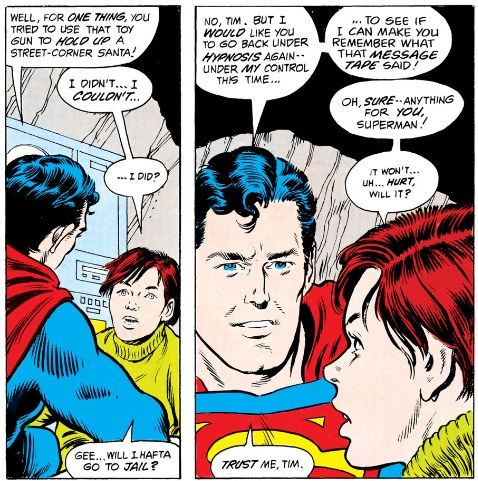
]]>The story begins with Superman stopping a boy — whose name is Timmy Dickens, because of course it is — from robbing a corner Santa with a toy gun. The gun, as it happens, had hypnotized the boy into turning criminal, a fact that Superman discovers when he brings Timmy to the Fortress of Solitude to break the brainwashing.
 |
All Access members, read on for more of Superman and Santa’s adventures.
This content is for members only. Visit the site and log in/register to read.For more holiday comics adventures, check out:
]]>